London Series 2026 Betting Guide
 Available in US

Table of Contents
- Why the London Series Sits at the Crossroads of Two Betting Cultures
- What Makes the London Series Different From an Ordinary MLB Fixture
- The Markets You Will Actually See on UK Slips
- The UK Traffic Spike and What It Does to Pricing
- Attending in Person and Betting at the Same Time
- What to Watch in the Run-Up to First Pitch
- How I Approach a London Series Weekend in Practice
- Frequently asked questions on London Series betting
Why the London Series Sits at the Crossroads of Two Betting Cultures
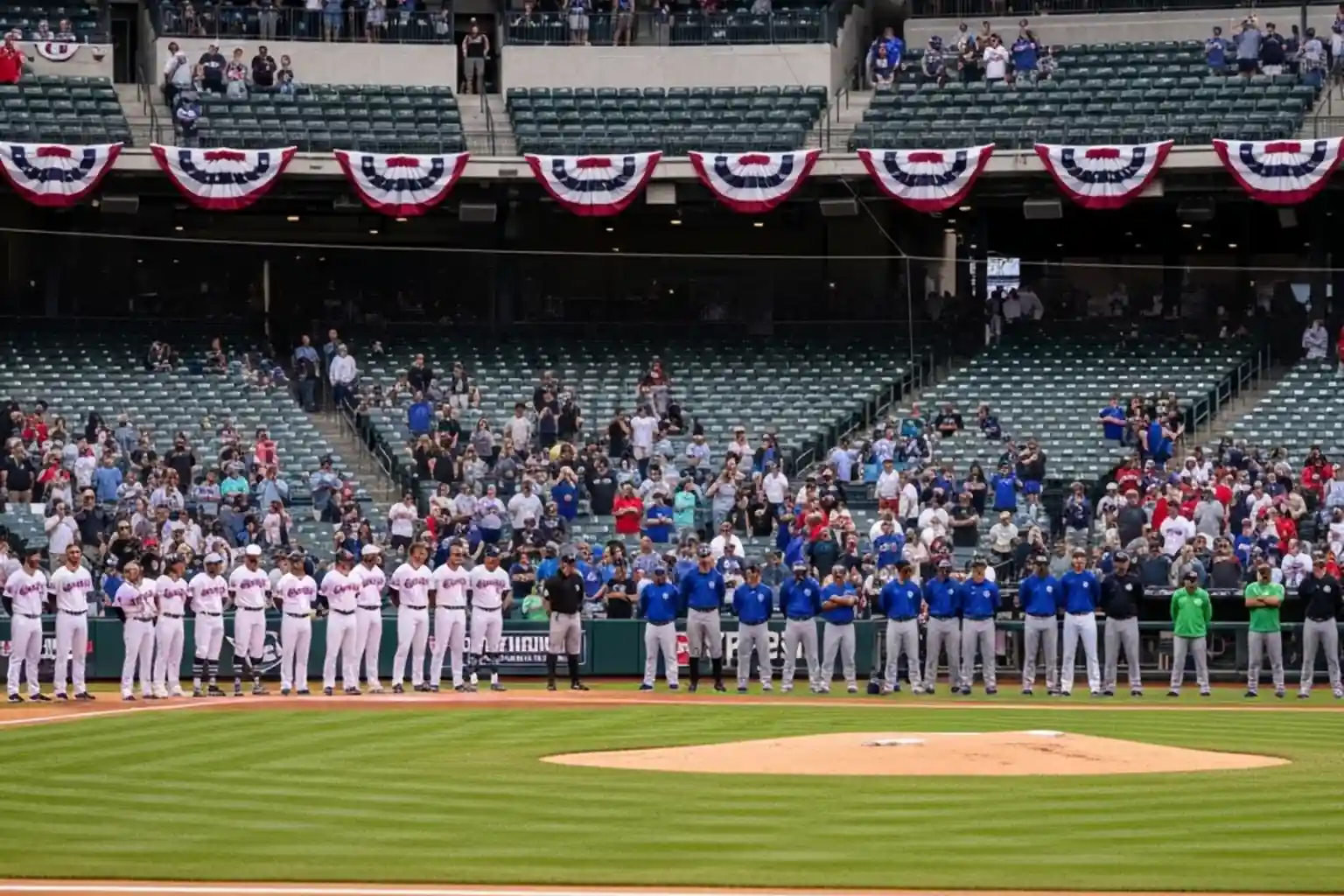
I was at the 2024 London Series when the Mets beat the Phillies in two games at the London Stadium — 108,956 fans across the weekend, most of them watching baseball live for the very first time. The buzz inside the stadium was unlike anything I have experienced in a UK sporting venue. Outside, on my phone, the betting traffic was equally unusual: prices ticked over on the moneyline at a tempo I had never seen for a domestic event.
The London Series is the only regular MLB weekend that takes place on UK soil, and that single fact bends the entire betting environment around it. For two or three days every couple of summers, an American sport gets priced through British bookmakers, watched by British crowds in person, and gambled on by British punters operating in their own time zone for once. The combination is rare enough that the markets behave differently than they do for any other MLB fixture on the calendar.
The 2023 edition drew 55,565 spectators across two games, with about 71% of attendees identifying as British rather than American expats — and the 2024 doubling of that figure to over 108,000 told you that the market for live MLB in the UK was not a one-off curiosity. The 2026 series is now an established annual fixture, and UK bookmaker treatment has matured alongside the event.
What Makes the London Series Different From an Ordinary MLB Fixture
The first time I heard a UK punter ask whether the London Series was “really MLB” was the same year the international viewership figures for MLB rose 18% on the back of games staged in Korea, Mexico City, and London. The series is exactly as official as any other regular-season fixture — the wins count in the standings, the stats count for awards races, and the bookmaker treats the moneyline the same way as a Wednesday night game in Cleveland. Mechanically, nothing is different.
Where the London Series breaks the pattern is in the soft variables. Travel matters. The two teams have flown across the Atlantic, played in front of an unfamiliar crowd, hit in a temporary baseball configuration of the London Stadium where the foul-territory dimensions are non-standard, and dealt with jet-lag in a way no opposing pitcher gets to factor into a standard projection. Bookmaker pricing tries to account for these things, but the modelling is genuinely uncertain — there is simply not enough sample data to calibrate it tightly.
Sadiq Khan, the Mayor of London, called the city “the sporting capital of the world” when reflecting on the London Series, noting that the games “boosted interest in baseball and benefited the economy across the capital.” That marketing context matters for the betting environment — it tells you why bookmakers invest in deep markets when they could just put up a moneyline and walk away. The series is a showcase, and showcase events draw casual money. Casual money distorts pricing.
The broader UK futures and event betting framework covers how the London Series slots into the international event calendar alongside the Tokyo, Mexico City, and Seoul Series. The British market is the most mature of the international hosts simply because the UK gambling sector is the world’s largest regulated online market and integration of MLB into UK pricing has been refined over six staged events.
The other distinction worth understanding is the venue itself. The London Stadium configuration for baseball is shorter to the foul poles than most MLB ballparks but with deep alleys, and the temporary infield produces unusual bounces. The 2019 series saw a combined 50 runs across two games — Boston and the Yankees treated it like cricket. The 2024 series came in much closer to expected MLB norms.
The Markets You Will Actually See on UK Slips
UK operators price the London Series with a different market depth than they do for an average MLB regular-season fixture. The moneyline, run line, and totals are all there, as they would be for any other game — but on top of that, you typically find half a dozen event-specific markets that surface around the series and disappear when it ends.
The series winner — best of two or three games depending on the edition — is a featured outright. UK punters who follow football outrights instinctively gravitate to this market because the format echoes a short cup tie. The pricing reflects that gravitational pull: short-priced favourites tend to be over-backed, with line drift toward the underdog as the weekend approaches.
Player props in the London Series have a particular flavour. Star hitters get propped for home runs at compressed odds because the casual public knows the names and bets the names. If you can identify the lesser-known bat in the lineup who matches up well against the projected pitcher, the value tends to sit there.
Run line and totals on the London Series specifically warrant more caution than they do on a domestic MLB game. Bookmakers price the total with the recent history weighted, but the recent history is shallow — only six games played in London by 2024, and a couple were statistical outliers. I treat London Series totals as inherently noisier and size my exposure accordingly.
The exotic markets are where the books make their money on the London Series. First-to-score, race to three runs, anytime home run, total bases by named players — these emerge specifically for showcase events because the casual market eats them up. The margin on those exotics is typically 12-15% per market versus 4-6% on a standard moneyline, so you are paying a premium for accessibility.
The UK Traffic Spike and What It Does to Pricing
The UK gambling market has roughly 13.5 million active online accounts in any given month, and during a London Series weekend a meaningful chunk of those accounts log MLB activity that they would never touch in a normal week. The traffic spike on UK MLB markets during the series is something I have watched closely across four editions, and the pricing pattern is reliable enough to plan around.
What happens is straightforward: a wave of casual UK money hits the favourite, the moneyline shortens, and the underdog drifts. Sometimes the drift is meaningful — I have seen a fair-value 2.10 underdog opened at 2.05 in London weekend pricing, then drift to 2.30 by the time first pitch arrives, as the favourite gets pounded by accumulator builders. That drift is not necessarily exploitable in isolation, because the moneyline favourite might still be the correct side at the new price. But the relative value shift is real.
Totals behave differently. Totals do not have the same favourite-bias trap because the public does not have a strong prior on whether they want “over” or “under” — there is no fan loyalty attached to a run total. The volume hits the over more than the under because casual punters generally back overs in unfamiliar sports, but the move is gentler — usually half a run rather than a full run.
The window when this matters most is the 12 hours before first pitch. UK casual punters are not betting at 3am the night before — they are betting after work on the Friday or Saturday morning before the game. That concentrates the volume into a tight window and produces sharper line moves than the typical 24-hour pricing curve of a domestic MLB fixture. If you want to bet a London Series moneyline at the most efficient price, you bet it as soon as the line is released, not as the casual volume builds in.
One related observation: live betting volume during the London Series is the highest I see on any individual MLB fixture all season, including the World Series. The combination of UK-friendly kick-off times (7 pm or 8 pm BST instead of 1 am), live attendance, and a once-a-year sense of occasion produces engagement that the casual punter does not extend to a 2am Tuesday game.
Attending in Person and Betting at the Same Time
I have attended three London Series weekends and bet during all three. The experience is unique because the in-stadium betting environment in the UK is shaped by the rules around in-running wagers at live sporting events, which apply equally to baseball at the London Stadium even though MLB is not traditionally a UK sport.
Live betting from your seat is perfectly legal through a UK-licensed mobile app — the stadium has standard 4G and 5G coverage, and most operators support in-app pre-game and live wagering throughout the event.
What you will notice if you bet from the stadium is the information lag. The official scoreboard updates ahead of the live feeds, which means people in their seats sometimes know the outcome of a play several seconds before the bookmaker’s pricing engine reflects it. UK operators are increasingly using stadium-aware delays on their live MLB markets to neutralise that arbitrage, and the practical opportunities are smaller than they look.
The cultural framing in the stadium is also worth flagging. The crowd is largely first-time baseball watchers — the 71% British attendance figure from the 2023 series tells you the typical seat is occupied by someone who needs the rules explained between innings. That ambient noise affects how you process information in real time and is one reason I do most of my live betting before I take my seat, not during the game.
What to Watch in the Run-Up to First Pitch
The 48 hours before a London Series game produces more useful pre-match information than the 48 hours before almost any other MLB fixture. Travel reports, weather forecasts at the London Stadium, official starting pitcher confirmations, and bullpen availability all get released into a tight pre-game window.
Travel matters because the visiting teams arrive having played a domestic fixture earlier in the week and are dealing with jet-lag and unfamiliar accommodation. The pitching rotation often gets juggled to set up a team’s best starter for the London weekend specifically — bookmakers know this, but the public does not always.
Weather at the London Stadium is the second key variable. London in June or early July can be anything from 14°C and drizzly to 28°C and bright sunshine, and the run-scoring environment shifts materially with temperature, wind direction, and humidity. The London Stadium does not have a retractable roof, so weather is fully live as a variable until first pitch.
Baroness Twycross, the UK Government’s Minister for Gambling, observed that “the vast majority of people who gamble do so without experiencing harm, but it is in all our interests that we do better for those customers who could be vulnerable to gambling harm.” That principle matters at showcase events because the volume of first-time MLB bettors during a London Series weekend is enormous, and the responsibility for sensible bankroll management falls more on the bettor than on the operator. The London Series is the easiest weekend of the season to over-stake on a market you do not actually understand.
The final pre-match check I always run is the lineup confirmation, which lands roughly two hours before first pitch. London Series teams sometimes rest key players for the long flight back, and a lineup announcement that drops a 30-home-run hitter for a backup utility man does measurable things to totals and prop pricing.
How I Approach a London Series Weekend in Practice
I split my London Series bankroll into three roughly equal portions across the weekend. The first sits on outright pricing released the week before — usually the series winner market — placed early before the casual money compresses the favourite. The second covers pre-game markets on each individual fixture, sized smaller than my standard MLB stake because the variance is higher.
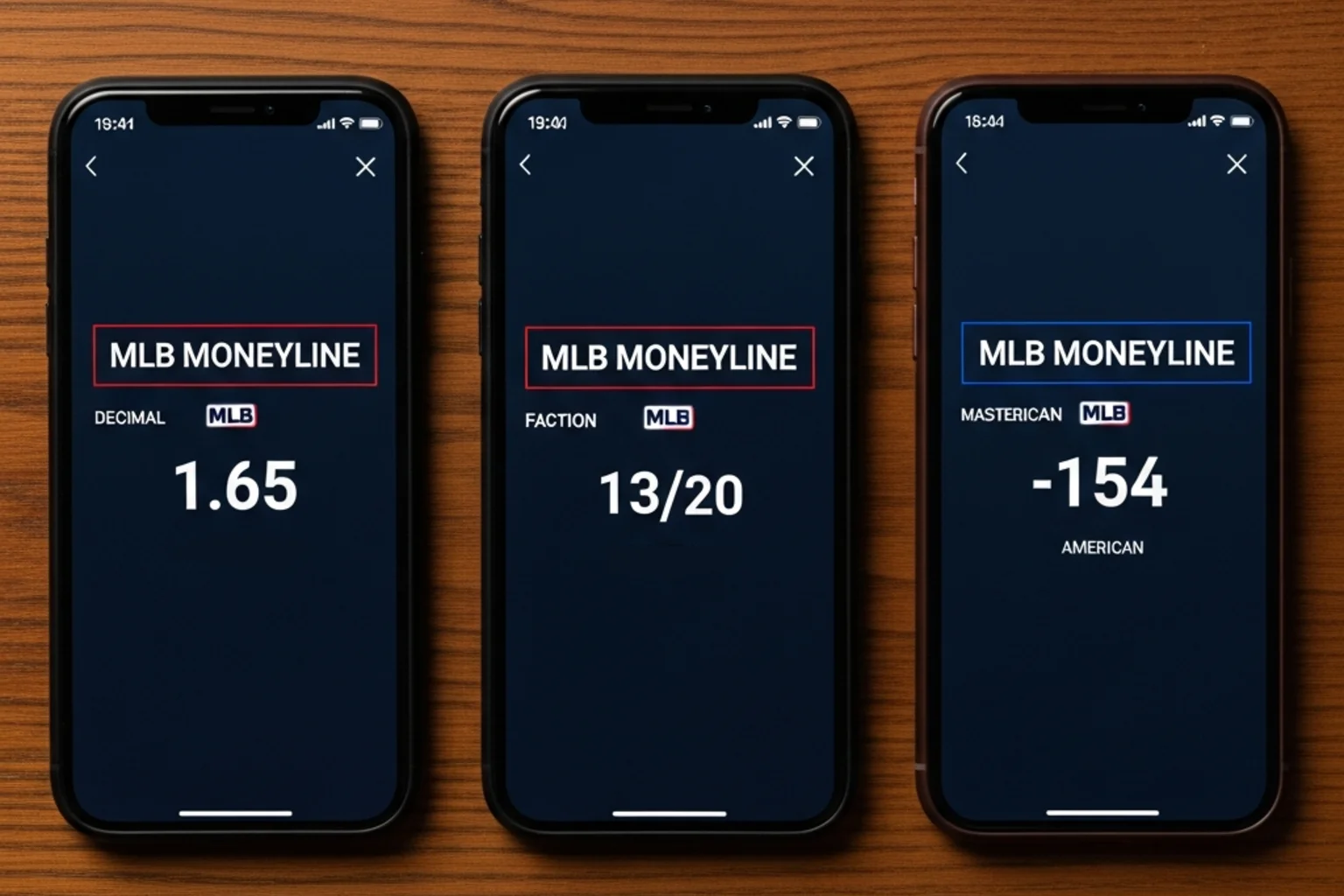
The third portion is reserved for live, in-running bets during the games themselves. The temptation I work hardest to resist is the showcase-event accumulator. Stringing together five short-priced markets across two London Series games at decimal 1.40 each gives you a compound of around 5.4, which sounds appetising, but the margin compounds against you and the long-tail risk of any single leg failing is much higher than the price implies. I keep my accumulator exposure on London weekend below 5% of the total bankroll, which is half the discipline I apply to a regular MLB week.
Frequently asked questions on London Series betting
Will UK bookmakers stream the London Series?
Some UK-licensed operators offer live streaming of the London Series through their bookmaker apps, typically requiring an active account and a funded balance or a live bet on the fixture. Streaming rights are negotiated separately from regular MLB international rights, and coverage varies by operator. Always confirm availability before placing wagers that depend on live viewing.
Do London Series bets count toward weekly UK promo turnover?
Yes — London Series wagers count the same as any other MLB market for promotional turnover requirements at UKGC-licensed operators. Some operators run dedicated London Series promotions with separate terms, but the standard weekly turnover counting rules apply across the board.
Published by the mlb Online Betting team.